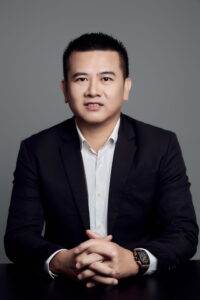
Mr. Vo Thanh Lam, CEO of boutique real estate brand VCRE, speaks with Robb Report Vietnam about the vision and development strategy for the Nobu-inspired living spaces in one of Vietnam’s most vibrant destinations.
By AN NGUYEN
Hello! VCRE recently wrapped up a highly successful launch event for Phase 2 of the Nobu Danang project. The event featured an impressive concept titled “The Engagement” between Nobu and Danang under the theme “Proudly Paired,” marking a milestone collaboration that has generated significant buzz in the market. Could you share why VCRE chose Danang over Hanoi or Ho Chi Minh City, and why you partnered with the Nobu brand for this project? What is the mutual synergy between Nobu and this dynamic destination?
When VCRE decided to expand into resort real estate in 2021, guided by our philosophy of developing boutique and distinct products, the very first question we asked ourselves was: Where would be the ideal destination? Among a series of potential options such as Ha Long, Quy Nhon, Nha Trang, Phu Quoc, or Ho Tram, Danang quickly emerged as the brightest candidate in our vision.
To be fair, Vietnam is blessed by nature with many majestic landscapes and famous tourist destinations, not just Danang. And when speaking of economic powerhouses, people often think of Hanoi and Ho Chi Minh City. However, to find a single destination that perfectly combines both of those worlds, it has to be Danang.
This city is frequently highlighted as a tourism capital, bringing together cultural heritage, entertainment, and its status as the economic hub of both the Central region and the country as a whole. However, VCRE’s decision to choose Danang for the first Nobu Residences project in Southeast Asia was not just based on its current potential, but also on the long-term vision for an economic powerhouse that the city has set forth.
Accordingly, in the next 5 years, Danang aims to become the largest socio-economic center in the country and Southeast Asia, opening up opportunities for luxury tourism to boom. In addition, the city’s push for free trade mechanisms is a key factor in attracting investment capital, creating a favorable environment for luxury brands like Nobu to easily access and develop. With these orientations, VCRE truly wishes to accompany the city on this journey.
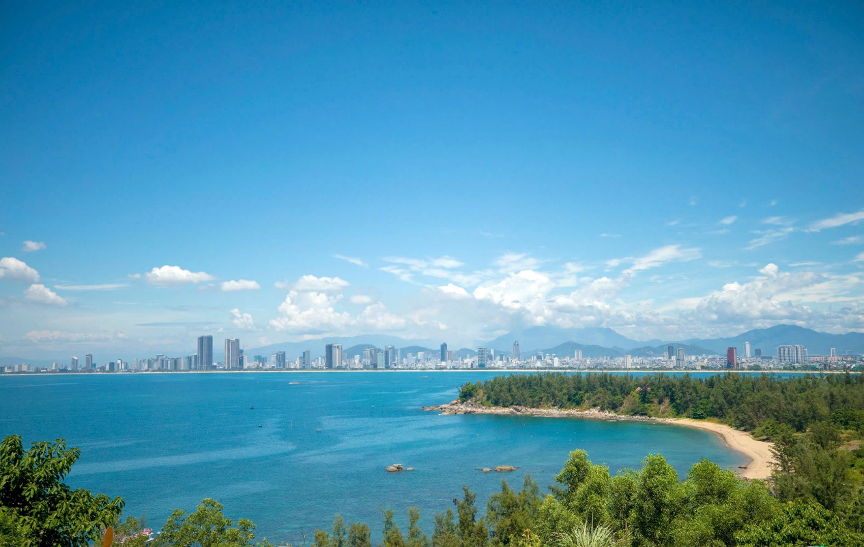 Danang, an unmissable destination in VCRE’s journey of creating resort masterpieces.
As for the decision to partner with Nobu, it came quite serendipitously from a suggestion by a member of our Board of Directors. To truly understand the brand, my colleagues at VCRE and I did not hesitate to fly to Singapore to experience it firsthand.
At that time, approaching Nobu was incredibly difficult because they had not yet focused heavily on expanding in Asia and had never set foot in Vietnam. Fortunately, thanks to a special connection, we obtained their valuable contact information. When Nobu first came to Vietnam to survey the site at My Khe Beach, Danang, their COO uttered a sentence that I still remember vividly: “Danang is so beautiful, it’s just like Miami!”. Looking back at the map, I truly realized that striking resemblance—a rare synergy between a world-class brand and a city full of potential.
Personally, I have always harbored a desire to bring a completely fresh brand to Danang—a highly livable city with a global style. I didn’t want to follow the traditional beaten path, because familiar resort brands have become too common. Nobu, with its roots in culinary excellence expanding into hospitality, perfectly aligns with modern societal trends, where travelers seek not just a place to stay, but a pinnacle lifestyle and dining experience. The final decision to choose Nobu is the strongest testament to VCRE’s bold vision and pioneering spirit.
Nobu is a new brand to the Vietnamese market, coupled with a strict set of criteria regarding design, interiors, service, etc. What were the challenges that VCRE had to overcome during the development of Nobu Danang?
One of the biggest challenges was how to get domestic customers to embrace a brand as novel as Nobu. VCRE solved this puzzle with a well-structured and inspiring brand communication strategy. A prime example was inviting Nobu’s founders—Chef Nobu Matsuhisa, Hollywood superstar Robert De Niro, and businessman Meir Teper—to Vietnam. And now, we have successfully introduced a new brand, a unique story, and a distinct experience to the market.
Additionally, we faced a major challenge in finding an interior design style that caters to Nobu’s global lifestyle community while distilling local elite elements.
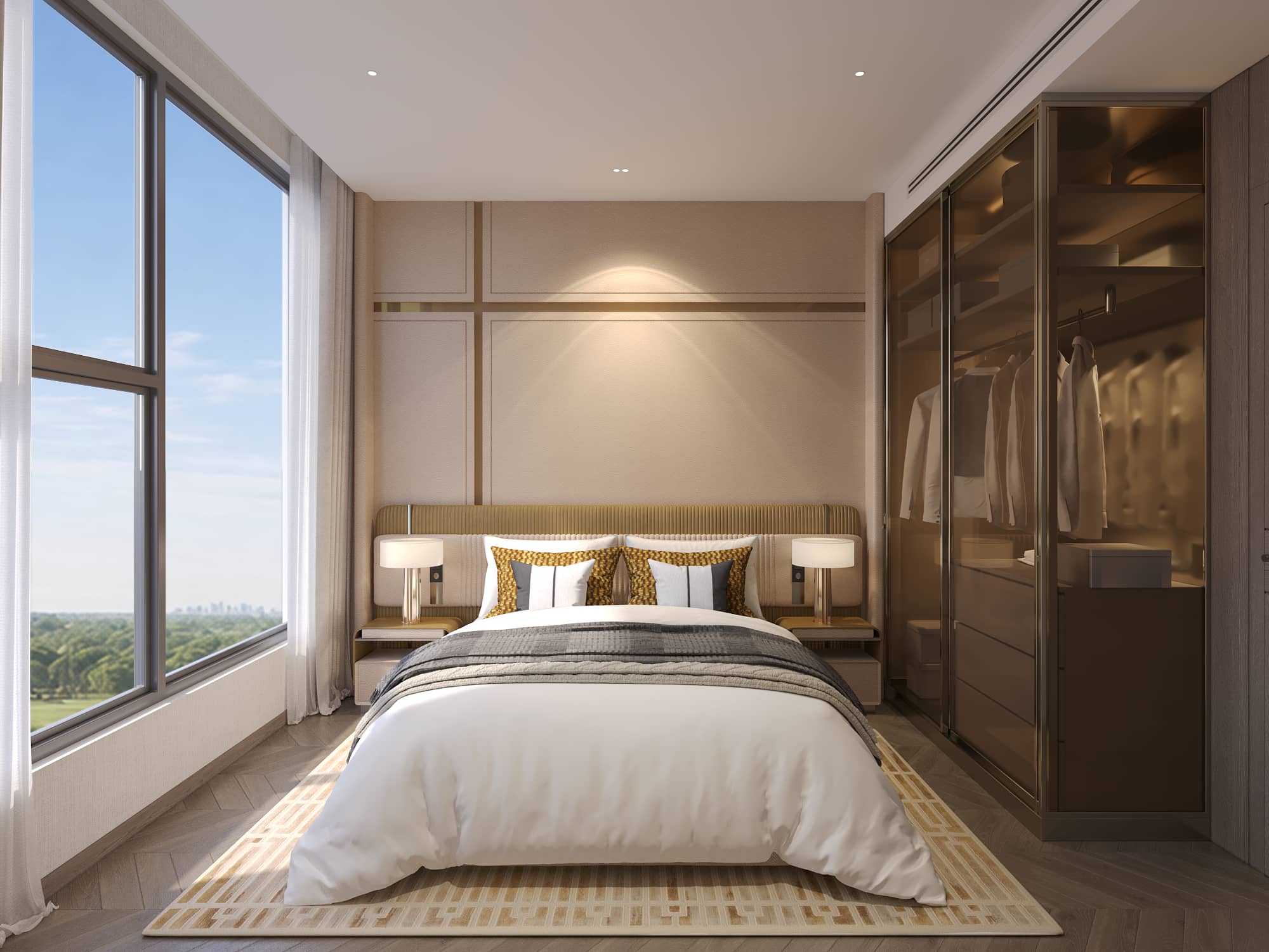
After numerous working sessions with Blink—a world-class luxury resort interior design firm—we discovered the Japandi style (Japanese – Scandinavian). Distinct from traditional Japanese style, Japandi is a sophisticated fusion of Japanese and Scandinavian aesthetics, creating a minimalist and serene space. This style blends the wabi-sabi philosophy—finding beauty in imperfection within Japanese culture—with the Nordic spirit of hygge—finding happiness in the simplest things.
Japandi is a delicate combination of contemporary Japanese elegance and Nordic warmth. Alongside that, we seamlessly integrated subtle wicker and bamboo accents into the space, honoring the spirit of the local destination.
And the interior is just one minor chapter in VCRE’s long journey with Nobu Danang.
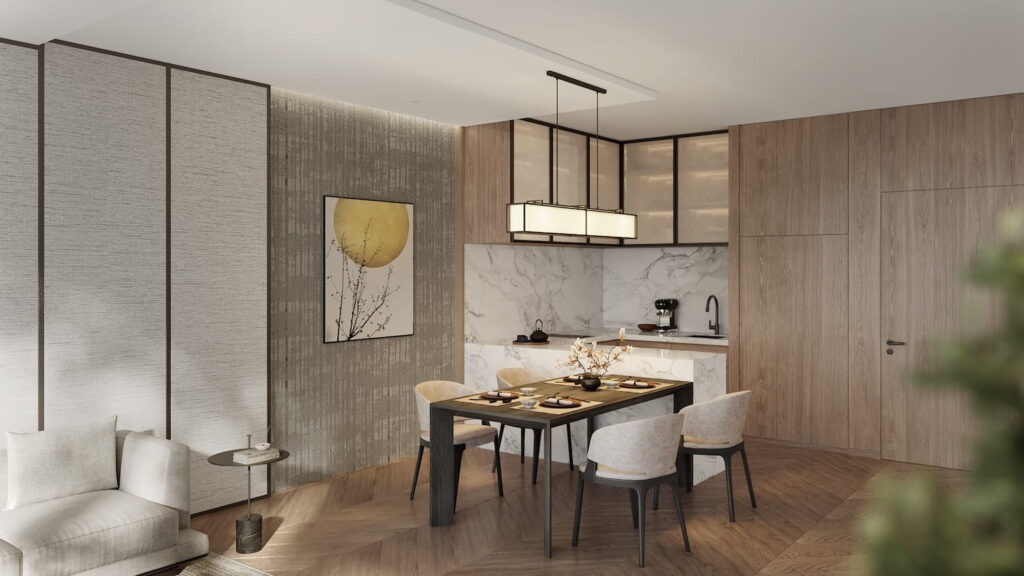 Japandi interior design at Nobu Danang.
Beyond architectural and service standards, how has Nobu’s “Kokoro” philosophy (from the heart)—which focuses on dedication and customer experience—been integrated into the development and operation of the Nobu Danang project to ensure a unique and authentic experience for guests and residents?
At first glance, this Kokoro philosophy might sound abstract, but when you personally experience it at Nobu restaurants, hotels, and residences, you notice a clear difference. Nobu’s core value is “giving the very best,” delivered through dishes, living spaces, and services that always come with dedication and heartfelt warmth.
For instance, at Nobu restaurants, the dishes are served in a very unique way: items are often arranged in portions of 6, 8, or 10 pieces on a plate, ideal for the family-style round-table service of Asian groups or families. This specific layout and service style create a “happiness factor,” allowing everyone to easily share, interact, and enjoy the meal together. For Nobu, the ultimate destination of Kokoro is satisfaction and joyful emotions in every single customer experience.
Another crucial element of the “Kokoro” philosophy is locality. When arriving in a new land, Nobu’s chefs always love to visit local markets to explore and deeply connect with the local culinary culture. At Nobu Danang, besides applying the brand’s uniform global standards, Chef Nobu will also distill and fuse local culinary excellence with Nobu’s signature cuisine to create an exclusive menu. This promises to forge an authentic, unique, and emotionally moving experience for both tourists and residents.
The branded real estate market in Vietnam is gaining momentum with the entry of various international brands. What key factors set Nobu Danang apart, helping it stand out among its competitors?
The branded residence market in Vietnam is becoming increasingly vibrant with the presence of many international brands; however, not every developer possesses the capability to deliver branded projects in the luxury resort segment. Nobu Danang confidently establishes an exceptional difference that stands out among hundreds of luxury real estate projects on the market.
With this project, VCRE not only successfully convinced the city of Danang to grant us a heritage location directly facing My Khe Beach—adjacent to the emerging financial center—but also excellently met the stringent criteria of an international hospitality group tailored for global superstars, statesmen, and billionaires. Backed by solid financial capacity and development expertise, VCRE has introduced the very first Nobu-branded residential complex in Asia, to the awe and pride of the Vietnamese people, elevating Vietnam’s real estate position on the global map.
While many 6-star resorts offer luxury interiors and nearly identical services, I believe Nobu’s true differentiation lies in two core pillars: world-class dining and the Kokoro service spirit. Enjoying breakfast at a Nobu restaurant, you will instantly feel a stark difference from any other venue because Nobu is globally renowned for its culinary mastery. Furthermore, Nobu’s chefs are willing to personally cook private banquets for residents on special occasions like birthdays. With only 264 apartments at Nobu Danang, this will be a rare privilege for owners—a pinnacle, ultra-personalized culinary experience that few branded real estate projects can offer.
Who is Nobu Danang’s target customer segment? Could you sketch a portrait of the potential buyers for this project in terms of lifestyle, aesthetic taste, and their expectations for a Nobu branded residence?
We have mapped out the profile of Nobu Danang’s customers very clearly. They are not merely the ultra-rich or High-Net-Worth Individuals (HNWIs) and Ultra-High-Net-Worth Individuals (UHNWIs); they are the cultural and intellectual elite—successful individuals across fields, global citizens sharing a refined artistic taste and a high sense of aesthetics. They favor a low-key yet liberated lifestyle, embodying “quiet luxury” while remaining remarkably sophisticated.
They are individuals rich in experiences who have traveled and explored many parts of the world. They are free to choose where to live and settle, but I believe Danang city and Nobu Danang offer everything they look for to be a match for their stature.
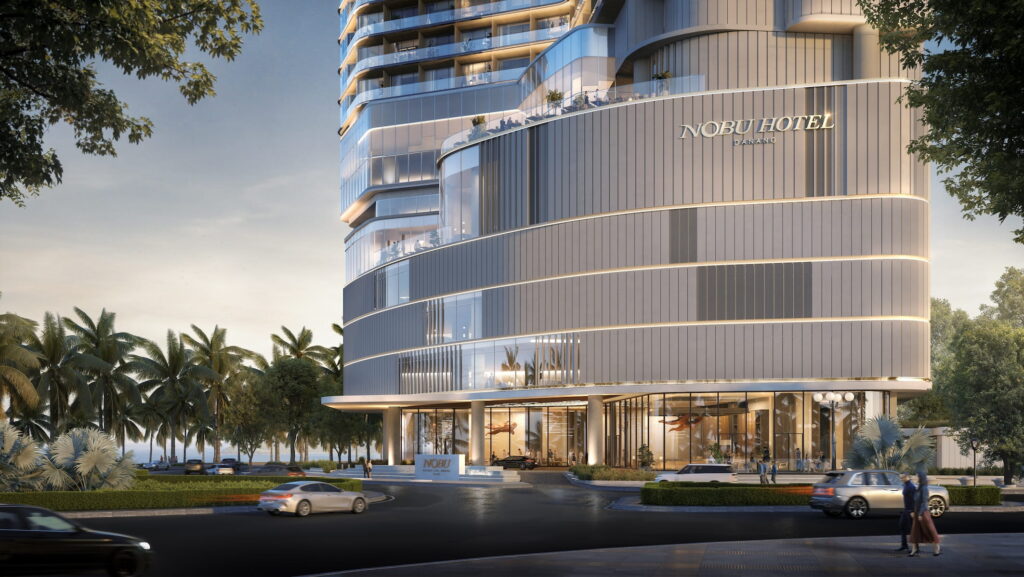
Nobu Danang is expected to become a new icon in Vietnam’s branded residence segment. How do you assess the development potential of the branded real estate segment in Vietnam in general, and in an emerging market like Danang in particular, within the current context?
In my opinion, branded residences are an inevitable trend because they fulfill the growing demands of the upper class for an elite, luxurious, and convenient lifestyle, while offering sustainable value appreciation.
Today, branded real estate buyers increasingly care about hyper-personalized services, wellness elements, connection to nature, and sustainable materials. At the same time, the second-home trend is evolving into a “lifestyle home,” and the audience for branded residences is increasingly drawn to living spaces tied to the distinct ethos of leading luxury brands. This is precisely the strength and opportunity window for non-hotelier developers like Nobu—one of the top 25 lifestyle luxury brands globally in 2024. I believe the market will see more non-hotelier branded residence brands participating. The strength of these major brands and their loyal fan bases will naturally drive them to enter the market as an organic transition.
Simultaneously, Vietnam is riding the wave of international brand relocations, a expanding middle class, and a rising demand for premium living, creating massive opportunities for branded residences. It can be said that Danang is currently a “land of opportunity” for wealthy investors (HNWIs/UHNWIs) given its luxury tourism potential and luxury real estate prices that remain soft compared to major cities in other nations.
The arrival of Nobu here not only affirms Danang’s position on the international luxury tourism map but also opens a promising new chapter for Vietnam’s branded real estate segment, where emotional value, lifestyle, and elite experiences are prioritized.
Nobu Danang is more than just a resort project; it is a piece of Danang’s luxury tourism development strategy. In your opinion, how will Nobu Danang contribute to elevating the city’s tourism status and attracting more international investors and tourists?
To me, Nobu Danang is not simply a hospitality real estate project, but a vital link in the strategy to elevate the city’s luxury tourism profile. The presence of a world-class brand like Nobu will bring immensely meaningful contributions.
First, Nobu Danang will provide a powerful boost to the image and branding of Danang tourism. When a globally renowned name famous for sophistication and unique experiences like Nobu selects Danang as its first destination in Vietnam, it immediately validates the city’s class and appeal on the global tourism map. It sends a clear message that Danang has the potential and stature to welcome the ultra-luxury brands.
Second, we expect Nobu to attract a completely new and high-quality customer segment to Danang. These are travelers and investors with refined aesthetic tastes who are willing to pay for unique, distinct, and personalized experiences. They don’t just come for basic leisure; they seek a lifestyle, pinnacle dining, and cultural and artistic values. Nobu’s presence will draw a wave of elite international tourists, helping diversify and upgrade Danang’s visitor source quality.
Finally, Nobu Danang will set a new benchmark for the luxury hospitality and real estate industry in Vietnam. We are bringing not just an impressive architectural piece but also Nobu’s operational philosophy, rigorous service standards, and unique culinary culture. This will inspire other investors to follow suit, upgrading the overall quality of the tourism industry, creating a healthy and sustainable competitive environment, and ultimately turning Danang into a leading destination for luxury tourism regionally and globally.
In the future, does VCRE have any plans to continue expanding and solidifying its position in Vietnam’s branded real estate segment, particularly through collaborations with elite international brands like Nobu? Could you share VCRE’s vision for this market?
In the immediate future, besides Nobu Danang, VCRE plans to develop Nobu Saigon and another ultra-luxury resort project in Phu Quoc. Naturally, we continue to research and learn to create inspiring living spaces for future generations in Vietnam.
Thank you very much!